
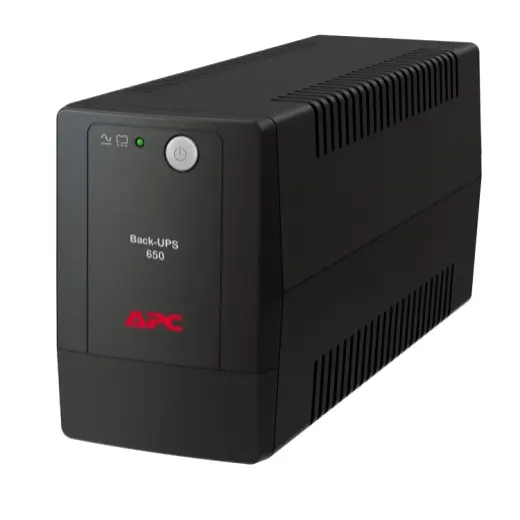
In Pakistan, where power outages and voltage fluctuations are a frequent reality, an Uninterruptible Power Supply (UPS) isn’t a luxury; it’s an essential piece of equipment for protecting valuable electronics and ensuring business continuity. A UPS is a device that provides instant backup power to connected equipment when the primary power source fails.1 Unlike a generator that takes time to start up, a UPS offers a seamless transition to battery power, preventing data loss, hardware damage, and critical system shutdowns.2
How a UPS Works
The basic function of a UPS is to act as a buffer between your devices and the power grid.3 It contains a battery and an inverter.4 When the mains electricity is stable, the UPS charges its battery and passes the power through to your equipment, often while also conditioning the power to filter out harmful spikes and surges. When a power cut occurs, the UPS’s internal circuits instantly detect the failure and switch to the stored battery power, providing a continuous flow of electricity for a limited period.5 This gives you enough time to save your work, shut down systems properly, or wait for the mains power to return.6
Types of UPS Systems
There are three main types of UPS systems, each offering a different level of protection and efficiency.7
- Offline/Standby UPS: This is the most basic and affordable type, commonly used for home computers and small offices.8 Under normal conditions, the UPS passes power directly from the wall outlet to the connected devices.9 When a power outage or major voltage fluctuation is detected, it switches to its battery backup.10 This transfer takes a few milliseconds, which is usually fast enough for most desktop computers.
- Line-Interactive UPS: This type is a step up from a standby UPS.11 It’s suitable for small business servers and networking equipment.12 It not only provides backup power but also has an Automatic Voltage Regulator (AVR) built in.13 The AVR corrects minor voltage fluctuations without switching to the battery, which extends the battery’s lifespan and provides better power conditioning.14
- Online/Double-Conversion UPS: This is the highest-tier UPS, used for mission-critical applications like data centers, hospitals, and industrial machinery.15 An online UPS constantly converts incoming AC power to DC, and then back to a clean, stable AC signal.16 The load is always running on the inverter, and the battery is constantly charging. This “double-conversion” provides a pure, clean sine wave and zero transfer time in case of a power failure, offering the best possible protection against all types of power disturbances.17
Benefits of Using a UPS
For both home users and businesses in Pakistan, the benefits of a UPS are immense.
- Data Protection: A sudden power cut can corrupt files, crash operating systems, and lead to lost work.18 A UPS provides the critical time needed to save data and perform a safe shutdown.
- Equipment Protection: Voltage spikes, sags, and surges are common in Pakistan’s power grid and can severely damage sensitive electronics like PCs, TVs, and routers.19 A UPS acts as a shield, ensuring your devices receive clean, stable power.20
- Business Continuity: For a business, every minute of downtime can mean lost revenue.21 A UPS ensures that critical operations, from point-of-sale systems to network servers, remain active during short outages, preventing financial losses and customer dissatisfaction.22
- Reduced Maintenance Costs: By protecting your equipment from power-related damage, a UPS can extend its lifespan, saving you money on costly repairs and replacements.23